

Funeral repatriation guidance
Bringing your loved ones home
When someone dies abroad, the process of bringing them home can feel impossible. We provide clear, country-specific guidance for every step, from death registration to arrival home, wherever home is.
Need help now?
Tell us where and we will guide you through the process
We have received your enquiry and will respond within one hour.
About Repatriate Service
We handle the process.
You focus on your family.
When someone you love dies abroad, the grief is immediate. What follows can feel impossible. Death registration in a foreign language. An overseas funeral director you've never heard of, in a country you may have visited once. Consular paperwork that needs to be right the first time. Insurance forms that arrive while you're still in shock.
Most families go through all of that without any professional support. We're here so they don't have to.
Repatriate Service coordinates the full repatriation process, from the moment of death to the point of arrival at the final destination. We're not a UK-only service. If your family needs to arrange transport from Thailand to Australia, from Spain to Canada, or from Nigeria to any country in the world, we can help. Death abroad doesn't follow borders, and neither do we.
We work with a carefully vetted network of experienced funeral operators in every country we cover. When we say we have someone on the ground, we mean someone who has done this before, in that country, for families in exactly this situation.
Send us the detailsEvery country runs differently
Death registration, embalming requirements, export permits, airline cargo rules. They change with every border crossed. A single missed step can delay the process by weeks and add significant stress to an already difficult situation.
Time has consequences most families don't know about
Mortuary cold storage in many countries is unreliable or strictly time-limited. Knowing who to call, and in what order, is often the difference between a two-week process and a two-month one.
The process doesn't pause for grief
Coordinating with a coroner's office in a foreign language, across time zones, while arranging a funeral at home, is not something any family should be expected to do without support. We take that weight.
Insurance is rarely as straightforward as the policy suggests
Many travel policies cover repatriation in principle. In practice, families often find themselves caught between an insurer, a local handling agent, and a funeral director at home, all at the same time, all asking different questions.
How we help
Cargo coordination only
If local arrangements are already in hand and you just need the international cargo leg managed correctly and safely, we can do exactly that.
Full in-country coordination
We appoint a trusted local operator to handle storage, embalming, documentation, and export on your behalf. You stay at home. We take care of everything abroad.
Documentation and consular guidance
We walk you through every document required: death certificate, consular registration, export permit. We also liaise directly with the relevant embassy where needed.
Any country to any country
We're not limited to UK arrivals. We arrange repatriation between any two countries, for families wherever in the world they are based.
How it works
Three steps to bringing them home
Every country has different rules. We break the process down so you know exactly what to do and when.

Tell us where
Select the country where the death occurred. We will show you the exact process, documents needed, and local contacts.

Follow the guide
Step-by-step instructions for death registration, embalming, consular paperwork, and arranging transport back to the UK.

We coordinate
If you need hands-on help, our team works with local funeral directors, embassies, and airlines to handle everything.
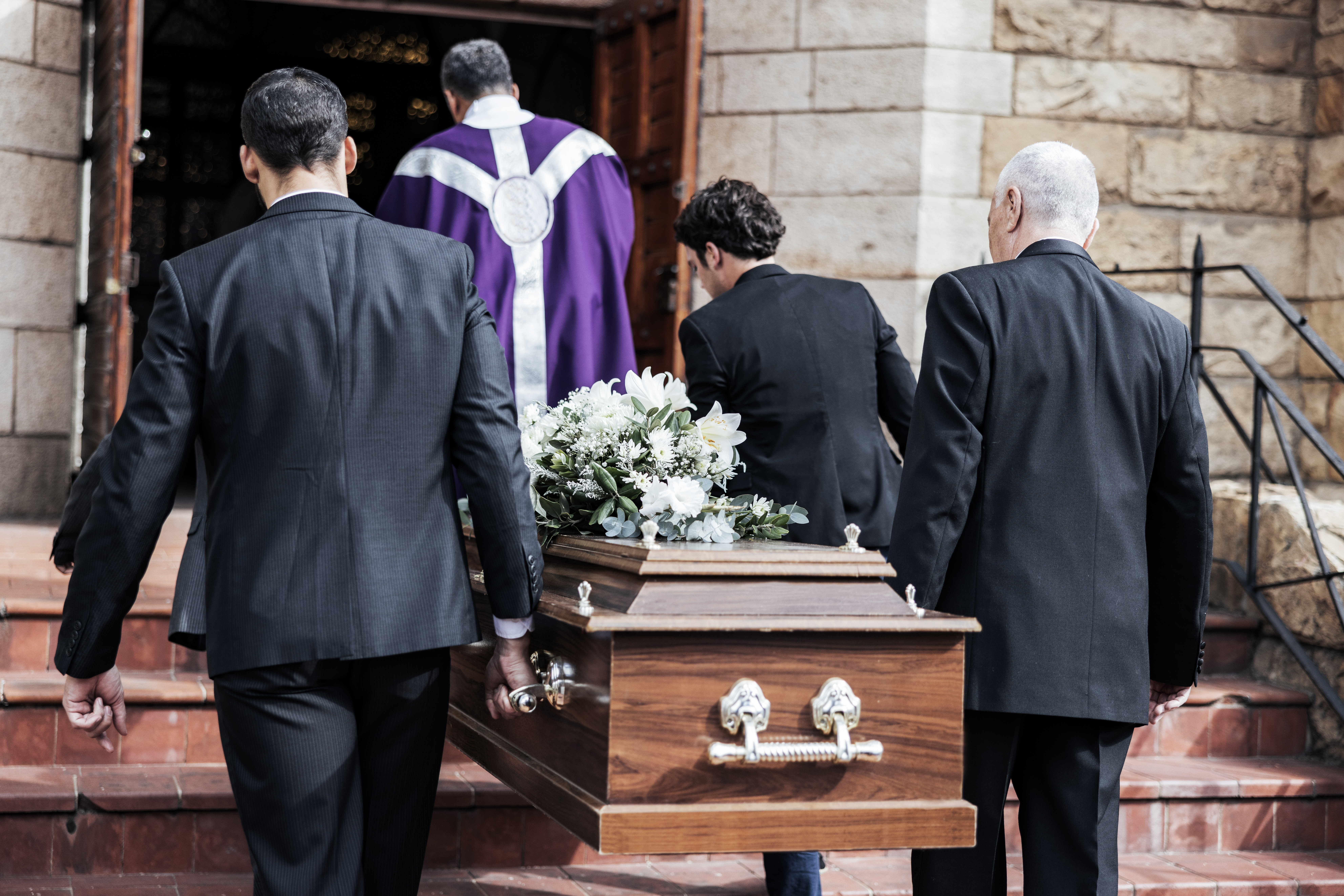
Every family deserves to bring their loved one home with dignity.
Get guidance nowCountry guides
Repatriation guides by country
Each guide covers the full process: what to do first, documents needed, costs, timelines, and embassy contacts.
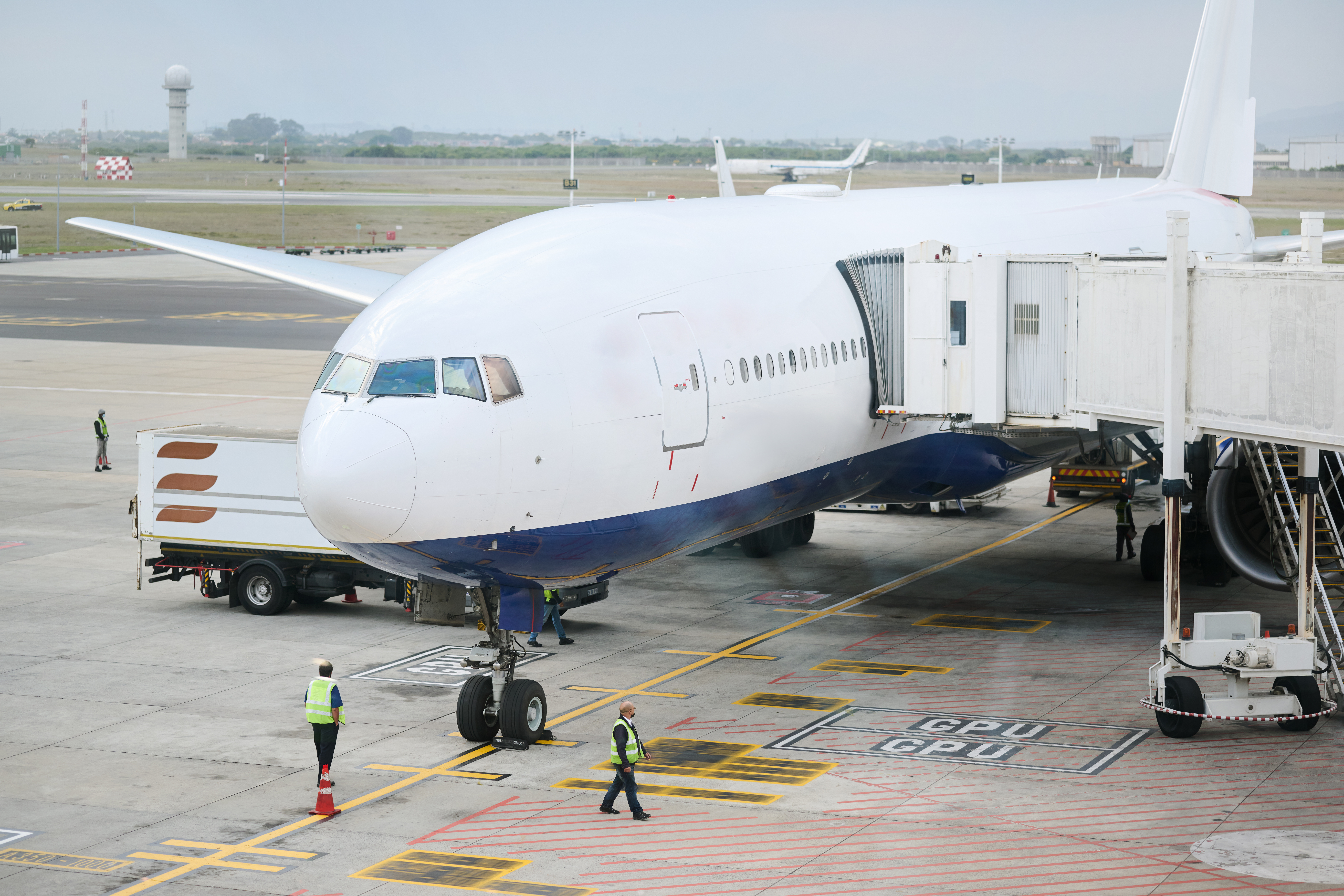
🇪🇸
Spain
The most common destination for British deaths abroad. Well-established repatriation process through local funeral directors.

🇫🇷
France
Close proximity means faster repatriation. French bureaucracy requires patience with death registration.

🇹🇭
Thailand
Complex process involving multiple government departments. Embassy support is critical.

🇺🇸
United States
State-by-state rules add complexity. Embalming typically mandatory for air transport.

🇬🇷
Greece
Island deaths add logistical challenges. Mainland repatriation is more straightforward.
🇹🇷
Turkey
Growing British tourist destination. Process involves the local prosecutor and forensic medicine.
🇵🇹
Portugal
Similar process to Spain. Large British expat community means experienced local funeral directors.
🇮🇹
Italy
Regional variation in processes. Northern Italy tends to be faster than the south.
🇮🇳
India
Multi-step process with police involvement. NOC from police required before release of body.
🇪🇬
Egypt
Forensic examination mandatory in many cases. Process runs through the prosecutor's office.
🇦🇺
Australia
Well-organised system but distance makes air freight costly. State coroner involvement for unexpected deaths.
🇩🇪
Germany
Efficient bureaucracy. Standesamt death registration is fast. EU regulations simplify cross-border transfer.
🇨🇾
Cyprus
Large British community. Local funeral directors experienced with UK repatriation.
🇦🇪
UAE
Efficient process through hospitals and police. Islamic law considerations for Muslim deceased.
🇵🇭
Philippines
Complex multi-agency process. Municipal health officer clearance required. Distance adds cost.
🇿🇦
South Africa
Department of Home Affairs death registration. Police clearance needed for unnatural deaths.
🇰🇪
Kenya
Government chief's burial permit required. Limited embalming facilities outside Nairobi.
🇨🇦
Canada
Provincial jurisdiction over death registration. Direct flights to UK make transport straightforward.
🇲🇦
Morocco
Among the lower-cost non-European repatriations. Casablanca is the main cargo hub with direct UK flights.
🇧🇷
Brazil
São Paulo and Rio are the main cargo corridors. Portuguese-language documentation requires careful handling.
🇲🇽
Mexico
Mexico City cases move faster than resort areas. Forensic investigation timing drives the overall timeline.
Common questions
Frequently asked questions
It depends on the country. In the EU, repatriation typically takes 5 to 10 working days. Countries with more complex bureaucracy, like India or Thailand, can take 2 to 4 weeks. We provide country-specific timelines in each guide.
There is no standard figure, and quoting one before we know the case would be misleading. What moves the cost is where the death happened, whether an investigation has to conclude first, the documentation the country requires, and the flight routing available. Tell us what has happened and we will come back with a figure for your case, with no obligation.
Some policies do, but many do not cover funeral repatriation by default. Check the policy wording carefully. Look for “repatriation of mortal remains” as a specific line item. If the policy covers it, contact the insurer before arranging anything, as they will have a preferred funeral director and airline.
Yes. Cremation abroad followed by ashes transport is often simpler and less expensive than full body repatriation. You will still need a death certificate, cremation certificate, and sometimes a consular letter. Ashes can usually be carried as hand luggage or shipped by courier. Rules vary by country and airline.
Full guide: bringing ashes home → · Country-specific ashes guides →
The British Embassy or Consulate can help with registering the death, providing a list of local English-speaking funeral directors, and issuing consular documents. They cannot pay for funeral or repatriation costs, but they can help you work through local bureaucracy. Contact them as early as possible.
Full guide: what the embassy does → · Embassy contacts directory →
Need help with repatriation?
Our team can coordinate the entire process on your behalf
Thank you. We have received your enquiry and will respond within one hour.